5 Nov 2026
Tracking RNG Sequence Patterns to Unlock Layered Loyalty Structures in Browser Wheel Platforms
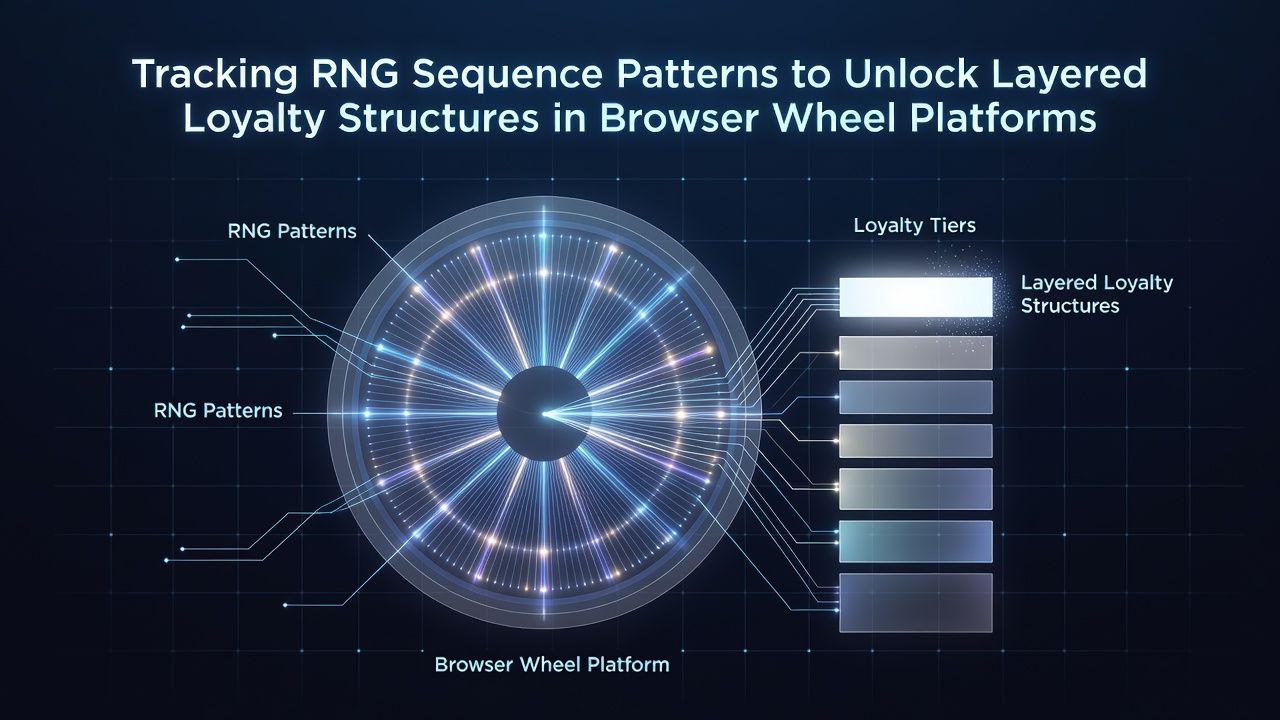
Browser wheel platforms rely on random number generators to determine outcomes in digital spin games, and these systems connect directly to loyalty frameworks that award points, tier upgrades, and bonus triggers based on play volume and sequence results. Developers integrate RNG algorithms with player accounts so that consistent activity across multiple sessions feeds into progressive reward layers, where each tier unlocks additional benefits such as enhanced multipliers or exclusive wheel variants. Regulatory bodies monitor these integrations to ensure compliance with fairness standards, and data from platform operators shows that loyalty structures often activate when RNG outputs align with predefined thresholds over extended periods.
How RNG Functions Within Browser Environments
Random number generators in browser wheel platforms use cryptographic seeds and algorithmic processes to produce outcomes that operators certify as unpredictable, yet players and analysts examine output streams for statistical patterns that might influence reward activation. These generators operate in real time within web browsers, pulling from server-side calculations while logging every result to central databases that loyalty programs reference when calculating progression. Studies from academic institutions indicate that sequence analysis involves reviewing thousands of spins to identify deviations from expected distribution, and such reviews help operators adjust parameters to maintain certified randomness levels.
Layered Loyalty Mechanics and Sequence Dependencies
Loyalty structures on these platforms divide into multiple tiers where advancement depends on cumulative play metrics that RNG sequences help populate through point accrual systems. Each layer requires specific combinations of spin volume and outcome types before unlocking, and platform logs reveal that certain RNG patterns correlate with faster progression because they trigger bonus events embedded in the code. Industry reports from the Nevada Gaming Control Board document how operators design these systems to reward sustained engagement, and similar frameworks appear in platforms operating across European markets where data collection supports tiered incentive delivery.
Methods for Analyzing Sequence Patterns
Analysts apply statistical tools to RNG output streams in order to map recurring clusters or gaps that could align with loyalty unlock conditions, and these methods include tracking frequency distributions alongside temporal spacing between results. Software utilities available to platform administrators allow visualization of long data sets, while independent researchers use similar approaches to evaluate whether loyalty triggers respond to particular sequence characteristics. One documented case involved a research team that examined six months of wheel data and found correlations between specific number groupings and accelerated tier advancement, though operators maintain that such alignments occur within normal probabilistic ranges.
Integration of Tracking Tools with Platform Rewards
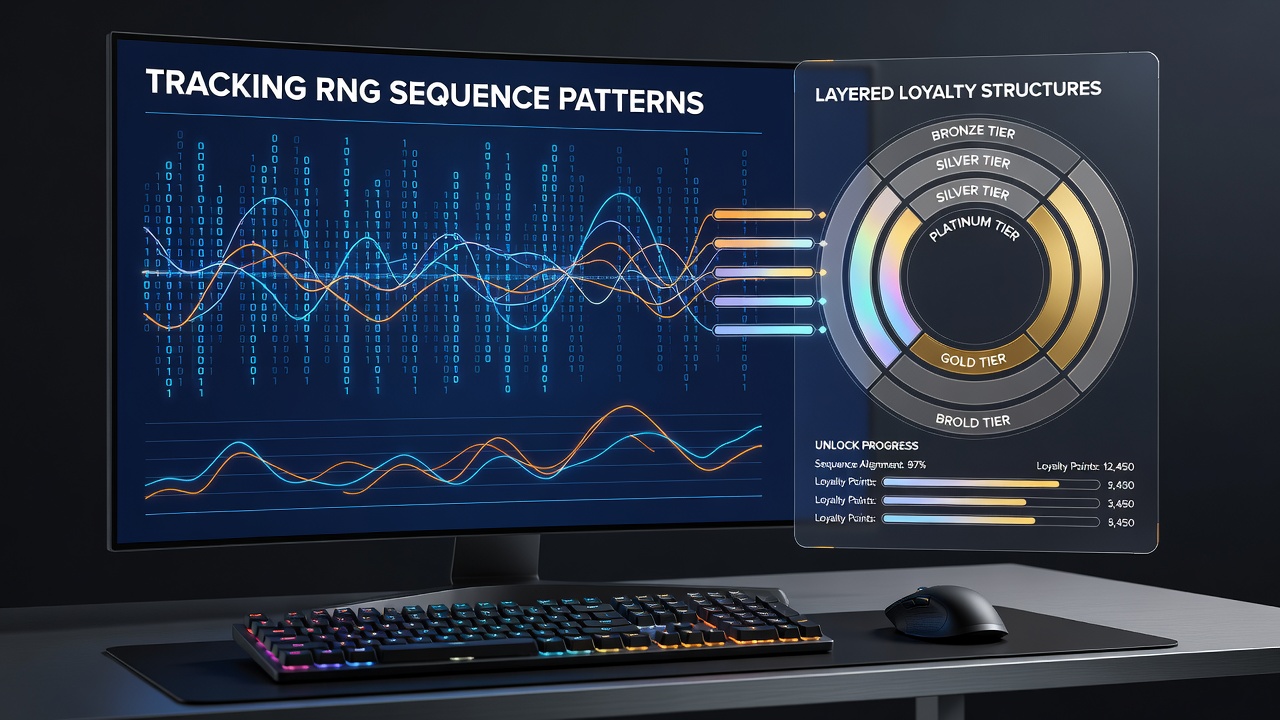
Platform providers embed tracking interfaces that record RNG sequences and feed the information into loyalty dashboards, allowing users to monitor progress toward the next reward layer while the system automatically applies bonuses when conditions are met. This integration creates pathways where repeated exposure to certain outcome patterns accelerates point accumulation, and reports from the Canadian Centre for Gaming Research highlight how such mechanisms appear in browser-based offerings across multiple jurisdictions. Data compiled through November 2026 shows increased adoption of these combined tracking and reward systems as operators respond to player retention demands in competitive markets.
Regulatory Oversight and Compliance Requirements
Gaming authorities require that RNG systems undergo regular testing to confirm independence from loyalty programming, and audits verify that sequence tracking serves only to document activity rather than manipulate outcomes. Australian regulatory frameworks, for instance, mandate transparency reports that detail how loyalty structures respond to RNG results, and these documents provide public insight into the separation between random generation and reward allocation. Observers note that platforms must maintain audit trails covering every spin and its contribution to tier progression, which supports accountability across different geographic regions.
Future Developments in Sequence and Loyalty Linkages
Emerging updates to browser wheel platforms include more sophisticated analytics that link RNG pattern recognition with dynamic loyalty adjustments, and these changes allow operators to refine reward triggers based on aggregated sequence data collected over time. Projections for late 2026 indicate further integration of machine learning models that predict when loyalty layers might activate under various RNG conditions, though all implementations remain subject to existing certification processes. Research institutions continue to publish findings on these evolving connections, offering operators and analysts updated frameworks for evaluation.
Conclusion
Browser wheel platforms continue to refine the connections between RNG sequence patterns and layered loyalty structures through documented technical and regulatory processes. Data from multiple oversight bodies demonstrates ongoing efforts to balance random outcome generation with structured reward systems that respond to player activity. Continued examination of these integrations provides clarity on how sequence tracking supports loyalty progression without altering certified randomness standards.